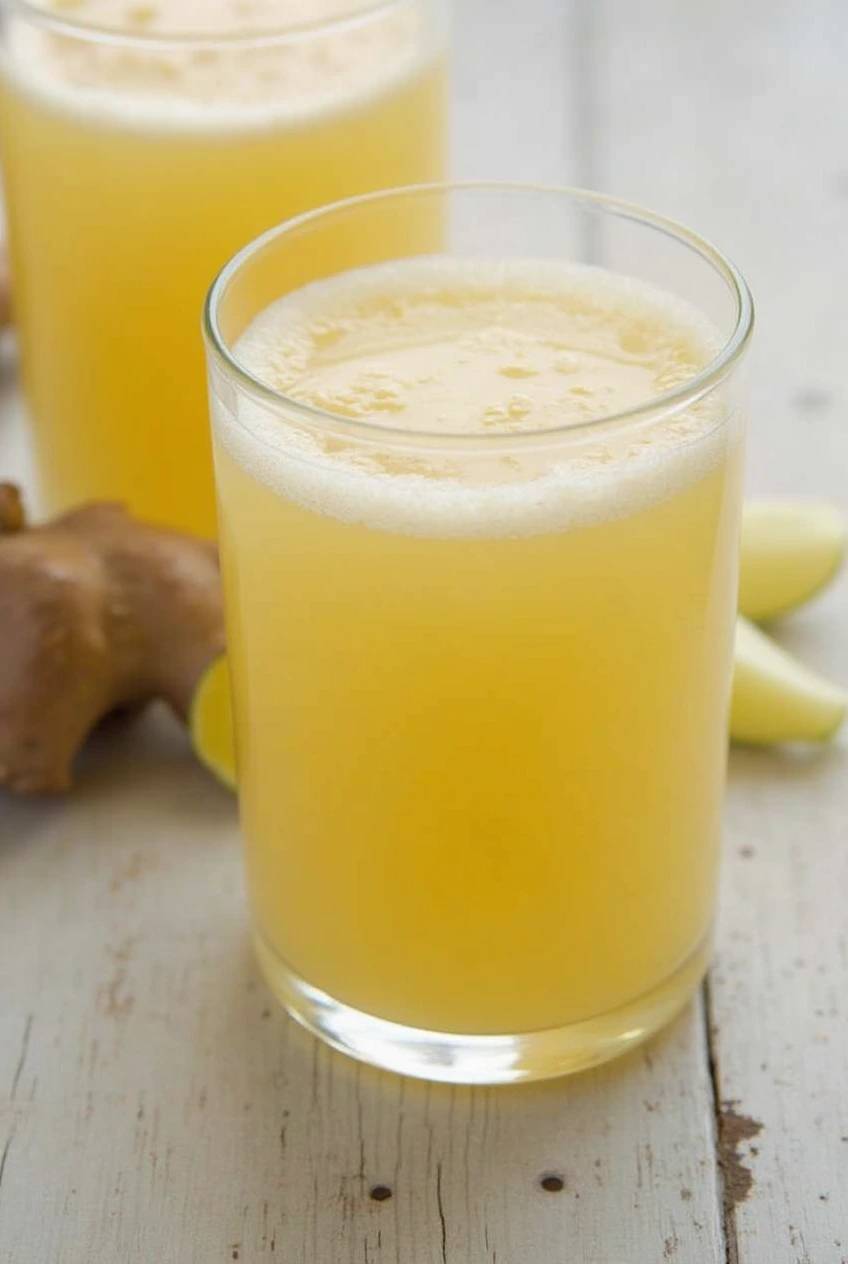
In a world increasingly focused on natural remedies and wellness, few ingredients stand out quite like ginger. This potent root, celebrated for millennia in various cultures, is a powerhouse of flavor and health benefits. While it's commonly used in cooking and teas, one of the most concentrated and effective ways to harness its goodness is through fresh, homemade ginger juice. Whether you're a seasoned health enthusiast or just starting your journey into natural wellness, learning to make your own ginger juice is a simple yet incredibly rewarding endeavor. The best part? You don't even need a fancy juicer to enjoy its invigorating taste and myriad advantages.
Why Make Your Own Ginger Juice? The Power of Ginger Root
Ginger (Zingiber officinale) isn't just a spice; it's a superfood packed with bioactive compounds, most notably gingerol. This compound is responsible for much of ginger's medicinal properties and its distinctive pungent flavor. When you extract the juice, you're getting a concentrated shot of these beneficial elements, making it an excellent addition to your daily routine.
The health benefits associated with regular consumption of ginger juice are extensive:
- Digestive Aid: Ginger is renowned for its ability to soothe the digestive system, helping to ease indigestion, bloating, and gas. It stimulates digestive enzymes, promoting more efficient nutrient absorption.
- Anti-inflammatory Properties: The anti-inflammatory effects of gingerol can help reduce inflammation throughout the body, potentially alleviating pain associated with conditions like arthritis, muscle soreness, and even menstrual cramps.
- Nausea Relief: Perhaps one of ginger's most famous uses, it's highly effective at calming various forms of nausea, including motion sickness, morning sickness, and chemotherapy-induced nausea.
- Immune Booster: With its antibacterial and antiviral qualities, ginger can help strengthen your immune system, making it a powerful ally against colds, flu, and other common illnesses. It may also help clear congestion and soothe sore throats.
- Pain Management: Beyond inflammation, ginger may offer relief from headaches and joint pain, acting as a natural analgesic.
- Freshens Breath: A small amount of ginger juice can even help combat bad breath due to its antibacterial action in the mouth.
By making your own ginger juice, you ensure you're getting the freshest, most potent extract without any added preservatives, artificial flavors, or unnecessary sugars found in some commercial varieties. It's a pure, unadulterated dose of nature's medicine.
Preparing Your Ginger: Peel or Not to Peel?
Before you begin the juicing process, proper preparation of the ginger root is key. This usually starts with a good clean and then comes the age-old question: to peel or not to peel?
Cleaning Ginger
Ginger grows underground, so it's essential to thoroughly clean it to remove any dirt or debris. Rinse the ginger root under cold running water, and if necessary, use a small brush (like a vegetable brush) to scrub away stubborn soil from its knobby surface. This step is non-negotiable, regardless of your juicing method.
The Peeling Debate
The skin of ginger is very thin and contains some nutrients, but it can also harbor dirt and has a slightly bitter taste for some. Your decision to peel often depends on the method you'll be using and your personal preference:
- If using a juicer: Many modern juicers, especially powerful cold-press models, can efficiently process ginger with the skin on. If your juicer is robust, you can often skip peeling, as long as the ginger is meticulously cleaned. The juicer will separate the pulp (and skin) from the pure liquid.
- If using a blender or manual method: Peeling is highly recommended. A blender will pulverize the skin along with the root, potentially impacting the flavor and texture of your juice, possibly making it grittier or slightly bitter. For manual methods like grating and squeezing, removing the skin makes the process cleaner and the final product smoother.
Practical Tip for Peeling: Ginger's irregular shape can make peeling with a knife tricky and wasteful. Many cooks swear by using the edge of a spoon. Simply scrape the spoon against the ginger skin, and it will come away easily, conforming to the root's contours and minimizing waste.
How to Make Ginger Juice Without a Juicer (The Manual Method)
Don't own a juicer? No problem! Making fresh ginger juice is surprisingly simple using common kitchen tools. This method is incredibly accessible and yields a potent, flavorful juice.
What You'll Need:
- Fresh ginger root (peeled, as discussed above)
- A fine grater (a microplane zester works perfectly)
- Cheesecloth or a clean, thin kitchen towel
- A bowl
- Optional: Garlic press for smaller pieces
Step-by-Step Instructions:
- Grate the Ginger: Once peeled and cleaned, use your fine grater or microplane zester to shred the ginger root into a bowl. Grate as much as you need; for a concentrated shot, a 2-3 inch piece of ginger is usually sufficient.
- Collect and Squeeze: Gather the grated ginger and place it into the center of a cheesecloth or a thin kitchen towel.
- Extract the Juice: Form a tight bundle with the cheesecloth, holding it over a clean bowl. Squeeze the bundle firmly and consistently. You'll see streams of golden ginger juice dripping into the bowl. Continue squeezing until you've extracted as much liquid as possible. If you have a garlic press, you can also press smaller chunks of peeled ginger through it for a quick extraction.
- Enjoy or Store: Your pure ginger juice is now ready to use!
This manual technique is incredibly satisfying and proves that you don't need specialized equipment to enjoy the benefits of fresh ginger.
How to Make Ginger Juice with a Blender or Juicer
For those with a blender or a dedicated juicer, the process can be even more streamlined, especially if you're making larger batches.
Using a Blender:
A blender can be a fantastic tool for making ginger juice, especially if you want to include other fruits or vegetables. Remember to peel the ginger when using this method.
- Chop the Ginger: Peel and roughly chop your ginger root into small pieces to help your blender process it more easily.
- Blend with Water: Place the chopped ginger into your blender. Add a small amount of water – just enough to help the blades move (e.g., 1/4 to 1/2 cup per 1 cup of chopped ginger). The less water you use, the more concentrated your juice will be.
- Blend Until Smooth: Blend on high speed until the ginger is finely pulverized and looks like a thick, pulpy paste.
- Strain the Mixture: Pour the blended ginger mixture into a fine-mesh sieve lined with cheesecloth (or a nut milk bag) placed over a bowl. Squeeze firmly to extract all the liquid, leaving behind the pulp.
Blender Benefits: Good for larger batches, versatile for adding other ingredients. Blender Drawbacks: Requires an extra straining step, potentially slightly less concentrated than direct juicing if too much water is added.
Using a Dedicated Juicer:
If you own a juicer (either centrifugal or masticating/cold press), this is the most direct and efficient method for extracting ginger juice.
- Prepare Ginger: Clean your ginger thoroughly. Depending on your juicer's power, you may not need to peel it. Cut the ginger into pieces small enough to fit into your juicer's chute.
- Juice: Feed the ginger pieces into your juicer, collecting the fresh juice in a container.
- Yield: Dedicated juicers are generally very efficient, yielding a high amount of pure ginger juice with minimal effort.
Juicer Benefits: Most efficient and convenient, produces pure, pulp-free juice quickly, preserves more nutrients (especially cold-press). Juicer Drawbacks: Requires a specific appliance, cleanup can be more involved depending on the model.
Customizing Your Homemade Ginger Juice: Flavors and Uses
Pure ginger juice is bold and spicy, which is perfect for some, but its intensity can be mellowed or enhanced with other flavors. This versatility is one of its greatest appeals!
Sweeteners and Balancers:
- Honey: A natural pairing, honey adds sweetness and complements ginger's warmth beautifully, while also offering its own health benefits.
- Maple Syrup or Agave Nectar: For a vegan option or a different flavor profile, these plant-based sweeteners work wonderfully.
- Coconut Sugar or Other Granulated Sugars: Can be dissolved into warm ginger juice for sweetness, though they impart different subtle flavors.
- Water: Simply diluting your ginger juice with water can make it more palatable, especially if you find it too spicy. Hot water transforms it into an instant soothing tea.
Flavor Pairings and Boosts:
Ginger juice is a fantastic base for myriad flavor combinations. Here are some ideas:
- Citrus: A squeeze of fresh lemon or lime juice not only brightens the flavor but also adds a dose of Vitamin C. Orange or grapefruit juice can also be lovely.
- Pineapple: The natural sweetness and tropical tang of pineapple juice balance ginger's spice perfectly.
- Cucumber: For a refreshing, hydrating twist, mix ginger juice with cucumber juice.
- Fresh Herbs: A sprig of mint or basil can add an unexpected and delightful aromatic note.
- Turmeric: For an extra anti-inflammatory punch, add a small piece of fresh turmeric root to your juicing process.
Ways to Enjoy Your Ginger Juice:
- Health Shots: Take a small, concentrated shot (1-2 tablespoons) daily for a potent dose of its benefits.
- Ginger Tea: Dilute with hot water and add honey for a comforting and medicinal tea.
- Refreshing Drink: Mix with sparkling water, ice, and a slice of lemon for a invigorating beverage.
- Cocktails & Mocktails: Elevate your drinks with a splash of fresh ginger juice.
- Culinary Uses: Use it in marinades, salad dressings, stir-fries, or soups where you'd normally use grated ginger for a smoother texture and intense flavor.
Curious about all the ways you can incorporate this golden elixir into your life? Check out our article: Ginger Juice: Your Guide to Health Shots, Teas & Flavors. For a deeper dive into the specific health benefits and an easy recipe to get started, you might find our guide Unlock Ginger Juice Benefits: Easy Recipe for Digestion & More very helpful.
Making homemade ginger juice is an empowering step towards taking control of your health and enjoying the incredible benefits of this ancient root. Whether you choose the manual method, a blender, or a dedicated juicer, the process is straightforward, and the rewards are significant. Experiment with flavors, find your favorite way to enjoy it, and make this potent golden liquid a staple in your wellness routine. Your body will thank you!
