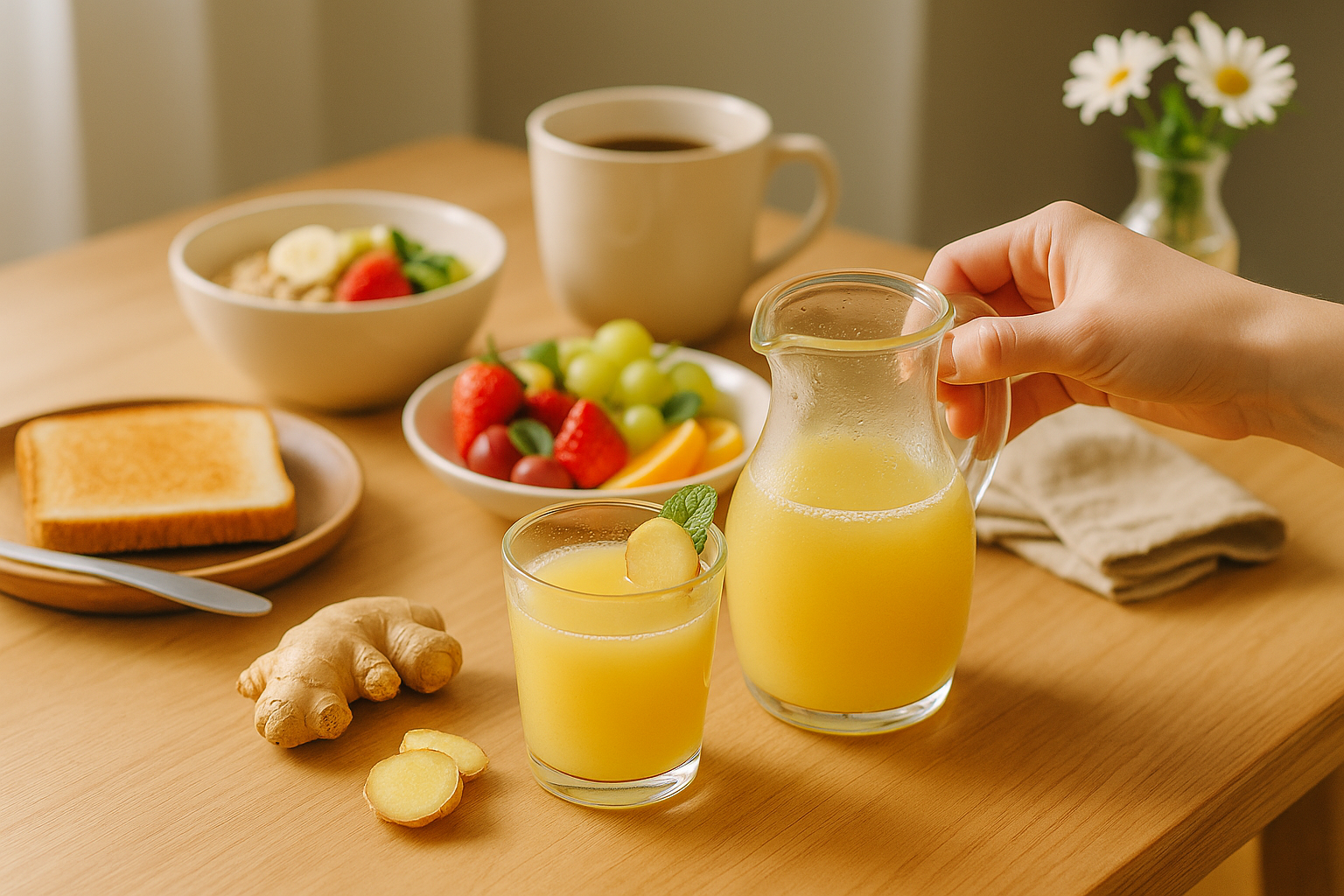
Ginger Juice: Your Guide to Health Shots, Teas & Flavors
In an age where wellness trends often come and go, some ancient remedies stand the test of time, proving their worth with every sip. Fresh ginger root, a staple in kitchens and traditional medicine for centuries, has recently surged in popularity as a potent, invigorating health shot. But the world of ginger juice extends far beyond a quick gulp; it's a versatile ingredient that can elevate your teas, infuse your recipes with zesty warmth, and deliver a host of remarkable health benefits. This comprehensive guide will walk you through everything you need to know about making and enjoying this liquid gold.
What is Ginger Juice and Why is it a Health Powerhouse?
At its core, ginger juice is simply the concentrated liquid extracted from fresh ginger root. It's the essence of ginger, brimming with its potent compounds, gingerols and shogaols, which are responsible for its distinctive flavor and powerful medicinal properties. While juicing trends might spotlight a variety of fruits and vegetables, fresh ginger truly stands out as a "powerhouse ingredient" due to its impressive anti-inflammatory and antibacterial qualities.
The benefits of incorporating ginger juice into your routine are extensive:
*
Exceptional Digestive Aid: One of ginger's most celebrated attributes is its ability to soothe the digestive system. It can calm an upset stomach, alleviate bloating, reduce gas, and even stimulate digestion, making it a fantastic post-meal elixir.
*
Natural Nausea Relief: Whether it's motion sickness, morning sickness during pregnancy, or chemotherapy-induced nausea, ginger juice has long been a go-to natural remedy for calming queasy stomachs. Its active compounds work to relax the gastrointestinal tract and inhibit serotonin receptors involved in nausea.
*
Immune System Booster: With its antibacterial and anti-inflammatory properties, ginger juice is a formidable ally against common colds and sickness. It can help ward off infections, ease symptoms like congestion, and warm the body, promoting overall immune health.
*
Pain and Inflammation Reduction: The anti-inflammatory effects of ginger can extend to pain management. Regular consumption may help calm headaches, ease muscle soreness after exercise, and potentially reduce chronic joint pain associated with conditions like arthritis.
*
Oral Health Refresh: Ginger’s natural antibacterial properties can help combat harmful bacteria in the mouth, contributing to fresher breath and better oral hygiene.
The concentrated nature of ginger juice means you're getting a potent dose of these beneficial compounds, making it an efficient way to harness ginger's therapeutic potential.
Crafting Your Own Ginger Juice: Preparation & Methods
Making fresh ginger juice at home is surprisingly straightforward, and you don't necessarily need a fancy juicer to get started. The key is proper preparation and understanding the different extraction methods.
Cleaning and Peeling Ginger
Before you begin, always thoroughly clean your ginger root. Since it grows underground, ensure all dirt and debris are removed, just as you would with a potato.
The question of whether to peel ginger often arises. Here's a quick guide:
*
If using a blender: Peeling is highly recommended. A blender shreds the entire root, including the thin skin, which can add a slightly bitter taste and affect the juice's texture. You can easily remove the skin using the edge of a spoon to scrape it away, especially around the irregular nooks and crannies, or with a vegetable peeler for larger, smoother surfaces.
*
If using a dedicated juicer: Peeling is generally optional. Most juicers are designed to separate the pulp (including the skin) from the juice effectively. However, for a purer taste and if you're concerned about potential pesticide residues, it's still a good practice to give it a light peel.
Essential Tools for Juicing Ginger
You have several options depending on your kitchen setup and how much ginger juice you plan to make:
*
Fine Grater (Microplane) & Cheesecloth: This is the simplest and most accessible method, requiring no specialized equipment. It's perfect for small batches.
*
Blender: A high-speed blender can process larger quantities. You'll need to add a little water and then strain the mixture.
*
Dedicated Juicer: For those who regularly juice, a masticating or centrifugal juicer is the most efficient way to extract juice from ginger, yielding the highest amount with minimal effort.
*
Garlic Press: For a tiny amount of juice, a garlic press can work wonders for individual servings or a quick flavor boost.
For a deeper dive into the different methods and their nuances, you might find our article
Homemade Ginger Juice: Make It With or Without a Juicer particularly helpful.
Step-by-Step Juicing Process (Grater & Cheesecloth Method)
This method is tried and true, yielding excellent results without needing expensive machinery.
1.
Grate the Ginger: After peeling your fresh ginger root, use a fine grater, such as a microplane zester, to shred a few large pieces. The finer the grate, the more surface area for juice extraction.
2.
Gather and Squeeze: Place the mound of grated ginger into a clean cheesecloth. Gather the edges of the cheesecloth to form a pouch, then firmly squeeze the ginger over a bowl. You'll be surprised how much juice drips out, especially if your ginger is fresh and plump. Continue squeezing until no more liquid can be extracted.
3.
Collect Your Juice: The liquid collected in the bowl is your pure, potent ginger juice!
Beyond the Shot: Enjoying Ginger Juice in Teas & Flavors
While a pure ginger juice shot delivers an immediate powerful kick, its versatility shines when you explore its potential in other drinks and recipes.
The Pure Shot Experience
For many, a small shot (1-2 ounces) of undiluted ginger juice is the preferred way to consume it, especially when seeking immediate digestive relief or an immune boost. Be prepared for its bold, spicy, and warming heat – it's an invigorating experience!
Sweetening and Diluting for Palatability
If the intensity of pure ginger juice is too much, there are easy ways to make it more palatable:
*
Sweeteners: Stir in a teaspoon of raw honey for a classic balance. Honey not only mellows the harshness but also adds its own antibacterial properties. For a vegan alternative, consider agave syrup or maple syrup. Granulated sugars like coconut sugar can also work, though they may alter the taste slightly.
*
Dilution: Dilute your ginger juice with water. Cold water creates a refreshing drink, perfect for hydration. If you add hot water, you instantly transform your ginger concentrate into a soothing, warming tea, ideal for cold days or when battling a sniffle.
Creative Flavor Combinations
Ginger juice is a fantastic base for an array of delightful concoctions. Experiment with these additions to create your signature blends:
*
Citrus Zing: A squeeze of fresh lemon or lime juice adds a bright, acidic counterpoint to ginger's warmth. This combination is particularly good for detoxifying drinks.
*
Fruity Infusion: Blend with other fruit juices like pineapple or apple for a sweeter, more complex flavor profile. The sweetness of the fruit naturally balances ginger's spice.
*
Cool and Refreshing: Combine with cucumber juice or fresh mint for an incredibly refreshing beverage, perfect for hot weather.
*
Smoothie Booster: Add a tablespoon or two of ginger juice to your morning smoothie for an extra health kick and a warming spice note.
*
Culinary Catalyst: Don't limit ginger juice to drinks! Use it in marinades for meats or tofu, salad dressings, stir-fries, or even homemade sauces to infuse them with fresh ginger flavor without the fibrous texture of grated ginger.
For more inspiring ideas on how to incorporate ginger juice into your daily routine and unlock its full potential, our article
Unlock Ginger Juice Benefits: Easy Recipe for Digestion & More offers a wealth of valuable insights.
Pro Tips for Maximizing Your Ginger Juice Experience
To ensure you get the most out of your homemade ginger juice, consider these practical tips:
*
Freshness is Key: Always start with fresh, firm ginger root. Avoid pieces that are soft, shriveled, or show signs of mold, as they will yield less juice and may have a compromised flavor. The fresher the ginger, the more potent and flavorful your juice will be.
*
Optimal Storage: Store fresh ginger root unpeeled in the refrigerator for up to a few weeks, or freeze it for even longer storage (it grates beautifully from frozen!). Once juiced, homemade ginger juice should be stored in an airtight container in the refrigerator and consumed within 3-5 days for optimal freshness and potency.
*
Freeze for Convenience: For longer storage and easy portioning, pour ginger juice into ice cube trays and freeze. Once frozen, transfer the cubes to a freezer-safe bag. You can then pop out a cube whenever you need it for a tea, smoothie, or to thaw for a shot.
*
Start Small: If you're new to ginger juice, begin with smaller amounts (e.g., ½ to 1 ounce diluted) to gauge your tolerance. Its potency can be surprising!
*
Consider Organic: If you often skip peeling, or simply prefer to minimize exposure to chemicals, opting for organic ginger root is a good choice.
Conclusion
Ginger juice is more than just a fleeting health fad; it's a timeless elixir packed with incredible health benefits and unparalleled versatility. From its powerful anti-inflammatory properties that aid digestion and boost immunity, to its invigorating warmth that can spice up any drink or dish, this concentrated liquid is a simple yet profound addition to a holistic lifestyle. Whether you prefer it as a straight health shot, a soothing tea, or a creative flavor enhancer in your culinary adventures, making ginger juice at home is an empowering step towards greater wellness. So, grab some fresh ginger and start exploring the vibrant world of ginger juice – your body (and taste buds!) will thank you.